
"Soft beans"
20000 article(s) found

Nicaraguan Coffee Flavor soft Bean processing method Nicaraguan Jim Molina Manor Honey place
Planted with volcanic ash and shaded trees, it produces high-quality Nicaraguan coffee with a mediocre, soft and slightly sour flavor. Nicaraguan coffee is the largest of all coffee beans, while MADRIZ (Madriz) is located in the mountains of northern Nicaragua, adjacent to Nueva Segovia, Jinotega and Esteli, a quiet and elegant area with the famous Somoto
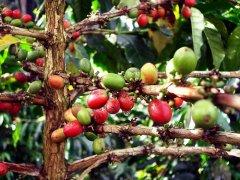
Sao Tome and Principe Democratic Republic of Arabian coffee beans with small quantity, high quality and soft and rich taste
Arabica coffee beans with small quantity and high quality, soft and rich taste. The Democratic Republic of Sao Tome and Principe (SaoTomandPrincipe), a volcanic archipelago, is the second smallest independent country in Africa and was once a Portuguese colony, which did not win independence until 1975. The equator crosses the archipelago, where the climate is hot and humid, the land is fertile, the irrigation is good, and coffee is rich. In 1800, the country went from

Introduction of Sidamo coffee beans with grayish acidity, soft and strong acidity and suitable mellow
Sidamo Coffee beans are grayish, thick in some places and small in others, with soft and strong acidity, mellow and sweet and spicy. It is one of the courtyard coffees in the highlands of southern Ethiopia. Unlike ordinary African coffee, Sidamo has clear acidity, smooth taste and delicate floral smell. The taste of Sidama in the sun is close to the smell of flowers, but slightly.

Description of soft Rwandan Coffee Flavor Variety characteristics of Fine Coffee beans
[product name]: Rwanda bourbon boutique coffee (Rwanda Bourbon Specialty) [quality rating]: AA [roasting degree]: recommended roasting degree city or deep city roasting (City Roast or Full City Roast) [grade]: good [granule]: ★★ full [acidity]: ★★★ micro acid [equilibrium]: ★★★ stable [flavor]: soft

Introduction to the flavor grindability of balanced and soft Salvadoran coffee beans
El Salvador's coffee accounts for 40% of the country's exports, and it is usually picked in November, December and January-March of the following year. The export of raw beans lasts almost all year round. Coffee is produced in seven of the country's 14 provinces, with the largest number in the northwestern provinces of chalatenango and santa ana. The coffee produced in El Salvador is 100% Arabica, of which 68% is

Soft, aromatic Rwandan coffee flavor Introduction Rwandan fine coffee beans
The slightly highland beans that have always been favored, the 2005 Grand Q competition champion manor, etc. are all single-handedly organized by this private company, and this batch of SICAF printed on it is also operated by NKG. Rwanda's coffee grading system is different from that of other African countries. Besides manual selection, it also needs cup test to evaluate the grade difference, while Lu's grade is only A, B and C.

Tanzania's Kilimanjaro coffee has soft acidity and attractive aroma.
Following Cafe (official Wechat account vdailycom) found that Tanzanians still maintain a lot of coffee tradition by opening a small shop in Beautiful Cafe. Most of the time they collect fallen fruit that is ripe under coffee trees, which will somewhat damage the quality of coffee. They have been using the sun method to treat the coffee beans, rarely washing, which allows the coffee beans to absorb the flesh.

Soft acidity description of the flavor of Kilimanjaro coffee beans introduction to the taste of grinding scale varieties
Soft acidity Kilimanjaro coffee bean flavor description grinding scale variety introduction first: choose good quality coffee beans, because the use of poor quality coffee beans, of course, will greatly damage the flavor of coffee, even if a very balanced single product coffee, but also can not make delicious coffee, the choice of good quality coffee beans is the biggest point. Second: remove defective beans and mix them with

Smooth and soft Tanzania Coffee Flavor Manor production area introduces Tanzania's boutique coffee beans
Tanzania is also often compared with its nearest neighbor Kenya. It is said that the earliest Arabica coffee in Tanzania was introduced by Christians from Kenya and is similar to Kenya in flavor characteristics. With grapefruit aromas and soft and bright acidity. However, because the economic conditions of Tanzania are worse than those of Kenya, the production conditions are poor. Tanzania is concerned about quality.

Balanced and soft Salvadoran Coffee Flavor description of varieties and characteristics of boutique Coffee
El Salvador's coffee accounts for 40% of the country's exports, and it is usually picked in November, December and January-March of the following year. The export of raw beans lasts almost all year round. Coffee is produced in seven of the country's 14 provinces, with the largest number in the northwestern provinces of chalatenango and santa ana. The coffee produced in El Salvador is 100% Arabica, of which 68% is

Soft, fragrant, full-grained Rwanda Malaba Coffee introduces the Lutesilo producing area of the western province.
Flavor: soft, fragrant, granular full baking: recommended deep baking synthesis: good dry aroma: deep chocolate, hazelnut (nutty), fruit with persistent, peach wet: Woody, creamy, nutty, pepper, mango-like sweetness sipping: melon-like sweetness with coating. The acidity is bright and obvious, with slightly astringent in front. Body as thick as cream

Soft, slightly sour Salvadoran coffee beans with beautiful sweetness
El Salvador boutique coffee is concentrated in the volcanic rock producing areas of Santa Ana in the west and Charantanan fruit in the northwest. In recent years, the top 10 cup tests are almost entirely from these two producing areas, with an altitude of about 9-1500 meters, mainly bourbon (68%). Followed by Pacas (29%), mixed-race Pakamara, Dulaai and Kaddura accounted for only 3%. The coffee harvest season has been held since November.

Introduction of Colombian coffee beans with soft, smooth and well-balanced taste
Colombia is rich in products, especially coffee, flowers, gold and emeralds known as the four treasures. In 1808, a priest introduced coffee to Colombia for the first time from the French Antilles via Venezuela. Today, the country is the second largest coffee producer after Brazil, the world's largest exporter of Arabica coffee beans and the world's largest exporter of washed coffee beans. Columby
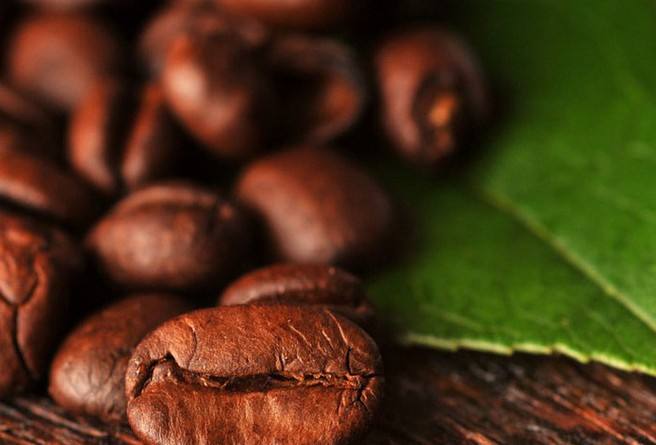
A brief introduction to the flavor of coffee beans in Dateira Manor, Brazil
Following Cafe Review (Wechat official account vdailycom) found that Brazilian Coffee has opened a small shop of its own to interpret soft bean aesthetics in five levels, in the following order: Strictly Soft, Soft, Softish, Hardish, Rioy. In other words, Brazilian beans do not emphasize the lively, sour, rhythmic and transparent characteristics of hard beans.

Introduction of soft, fragrant and full-grained Rwandan coffee
Flavor: soft, strong aroma, full granule suggested roasting method: deep roasting ★★: market for good Rwandan coffee: Rwanda (Rwanda) coffee is absolutely high quality in the form of washed Arabica beans. As far as Africa is concerned, its coffee industry is remarkable because the country thrives mainly by producing the best possible coffee beans. Coffee from Rwanda is on the international market

Introduction to the taste of El Salvador Himalayan boutique coffee beans which are very soft and pure
The Himalayan Manor, located in Santa Ana, a famous producing area in the Apaneca Mountains at an altitude of 1500 meters, is one of the few estates managed by Aida Batlle. The varieties planted are mainly Salvadoran coffee, along with Mexico and Guatemala as the producers of Asa and Merdo, and are fighting for the top one or two places in China and the United States with other countries. Highland of origin
Coffee from Tanzania, African flavor coffee beans, soft and sour.
Most Tanzanian beans are grown in the coffee-producing areas of Mount Mr.Kilimanjaro and Mt.Meru near the northern Kenyan border, often referred to as "Clemangaro" and occasionally named after Moshi or Arusha. In addition, a little water washing Arabica is also produced on the south side of the border.

Which kinds of coffee beans can be combined to make a cup of coffee with soft and distinctive flavor
A delicious blend that can be used in almost all kinds of extraction methods is balanced, soft and full of individual flavor. The taste of nuts and vanilla is very obvious, the sweet and sour flavor of citrus brings a beautiful and long finish, and the finish is like fruit ice cream. It tastes almost perfect when mixed with dairy products and performs well in filtered coffee. Espresso according to the production of the base Espresso

Soft, fragrant, full-grained Rwandan coffee beans introduce boutique coffee
Flavor: soft, strong aroma, full granule suggested roasting method: deep roasting ★★: market for good Rwandan coffee: Rwanda (Rwanda) coffee is absolutely high quality in the form of washed Arabica beans. As far as Africa is concerned, its coffee industry is remarkable because the country thrives mainly by producing the best possible coffee beans. Coffee from Rwanda is on the international market

Soft bitter flavor description of coffee manor in Arusha, Tanzania, introduction to grinding degree, price and taste
Tanzania's main coffee producing area, located at the foot of Mount Kilimanjaro, is rich in volcanic soil. Some coffee trees planted here are more than 100 years old. Coffee was first introduced by Christians from Kenya to grow coffee. Coffee trees must be carefully taken care of, weeded and fertilized. And old branches must be cut off so that new branches can grow to maintain the quality of coffee beans.